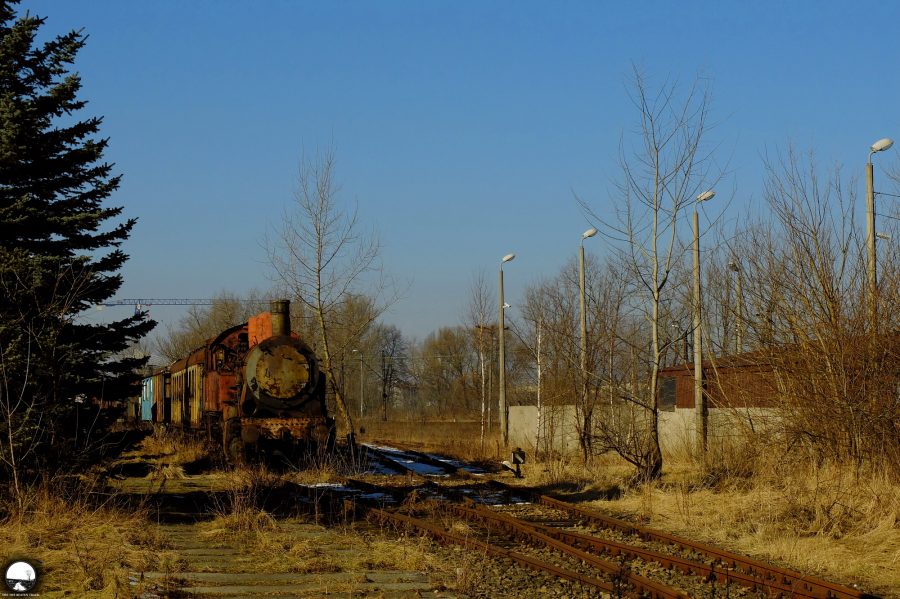
The Płaszów Locomotive Depot [Kraków, Poland]

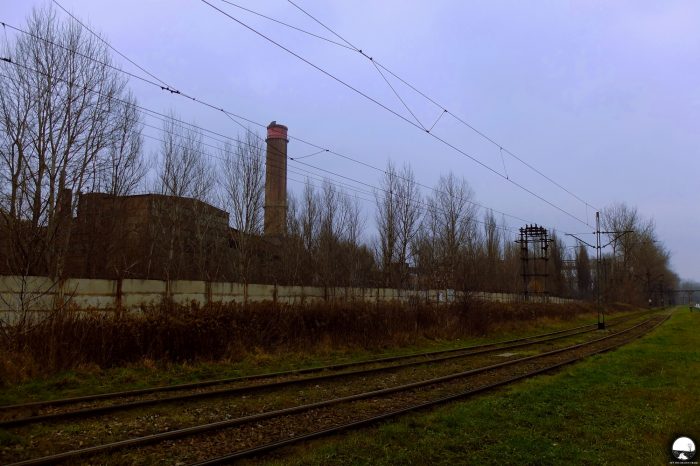
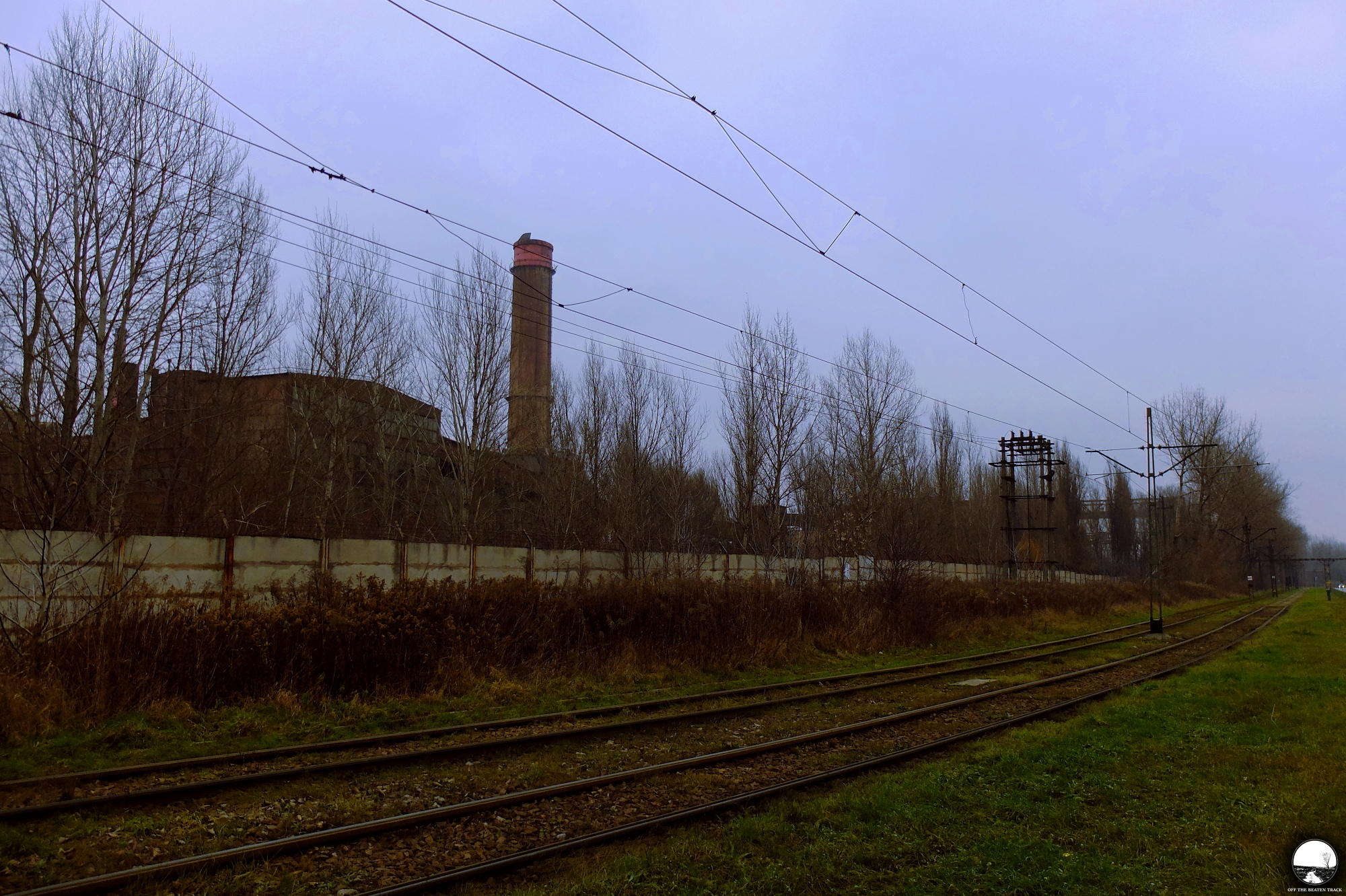
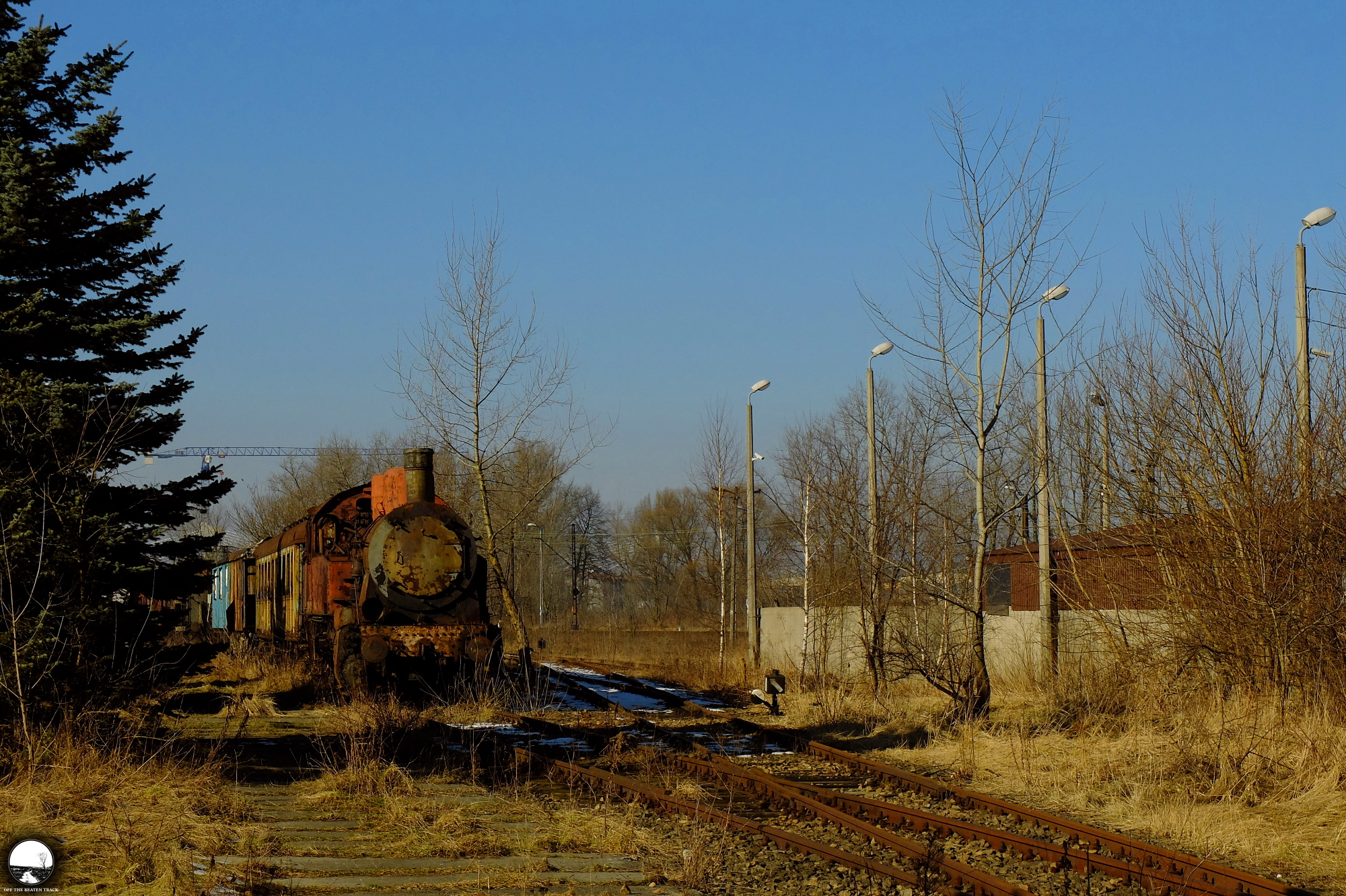
When you’re looking for abandoned railway places in Kraków, it’s definitely worth to visit Płaszów Locomotive Depot. It was built in 1927 as a complex of office and technical buildings. Despite being in use (trains are still repaired here), the depot is known as a great abandoned railway site because of old trains here. Huge rusting locomotives and carriages as well as the territory around create unusual and a bit creepy atmosphere which make this place popular with urban explorers and photographers.
Continue reading “The Płaszów Locomotive Depot [Kraków, Poland]”

The House of Hanging Dolls [Rváčov, Czech Republic]

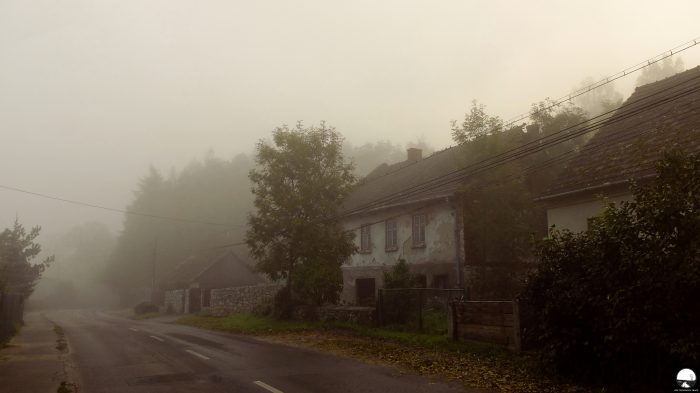
When you’re passing through Rváčov (Czech Republic), you’ll definitely see a strange house at the end of the village. The first thing which attracts your attention is a huge tree with plenty of dolls hanged on its branches. Going further you’ll see a house with, again, hundreds of dolls and other toys in front of it. Most of them are old and dirty, covered with dust, many are naked, with some parts as legs or hands missing. The eerie toys create an incredibly spooky atmosphere which you can’t forget even long time after leaving this place, as well as all the creepiness there makes you wonder, who and why is keeping such unusual collection?

Continue reading “The House of Hanging Dolls [Rváčov, Czech Republic]”

The Abandoned Saint George’s Church [Luková, Czech Republic]

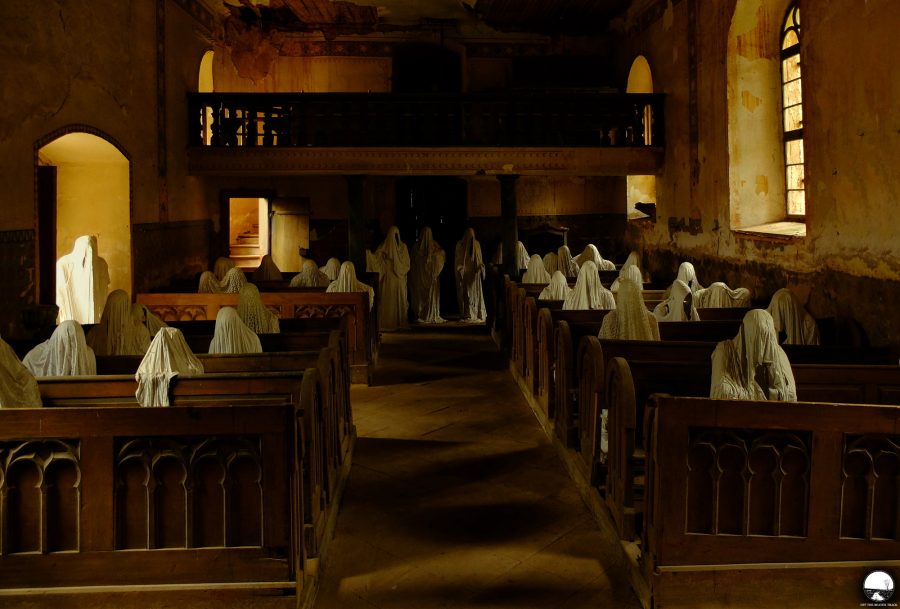
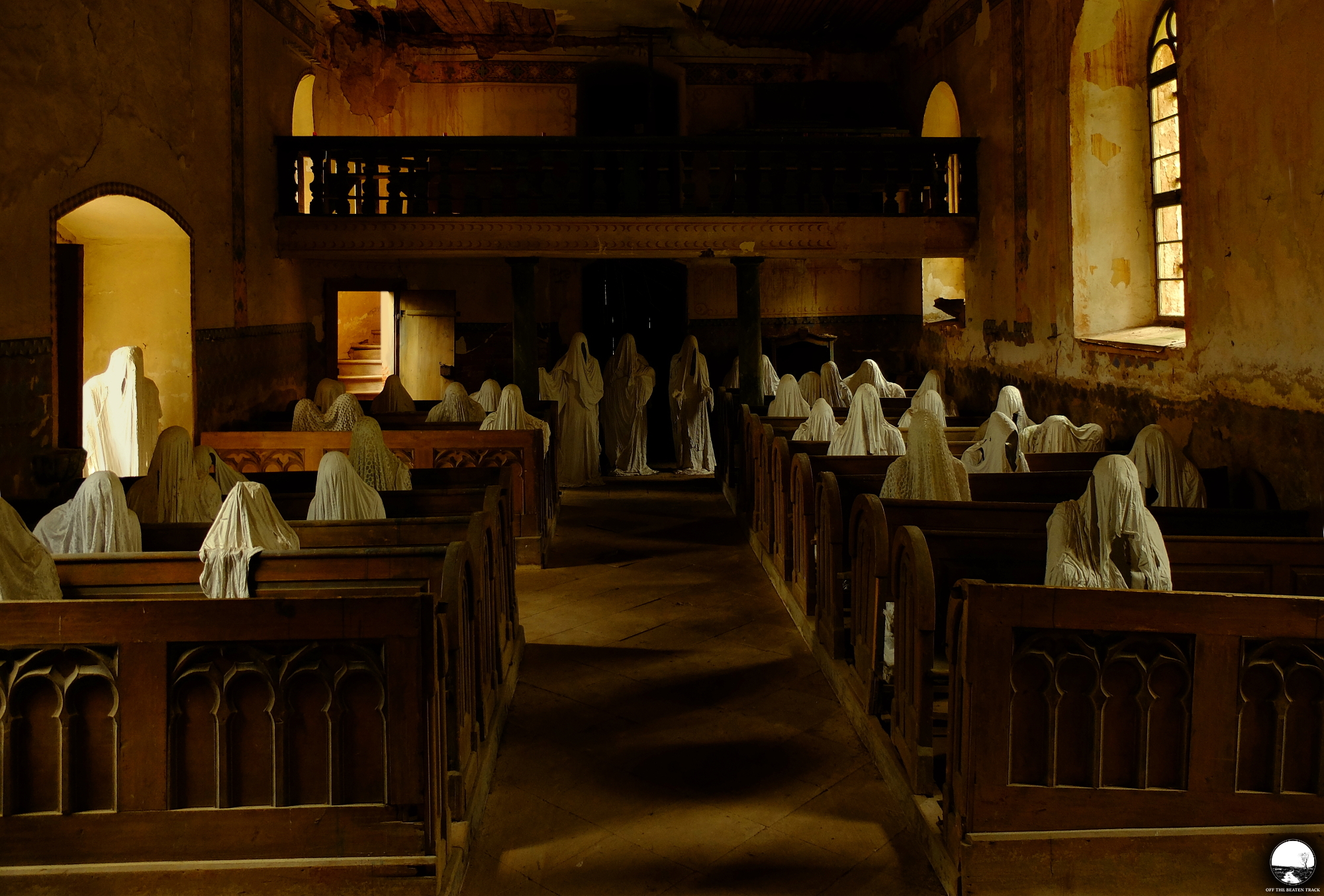
When you’re passing through the north-western Bohemia region of the Czech Republic it’s definitely worth to visit the abandoned Saint George’s church in a small village Luková. Built in XVI century, it initially fell into disrepair in 1968 after the roof collapsed during a funeral service. Convinced that this was a curse, locals abandoned it preferring to carry out sermons and masses outside.
The church continued falling into ruin, but luckilly the way to rescue it was found—local artist Jakub Hadrava designed a collection of spooky ‘ghosts’ that line pews and aisles of the church. Since the art installation was created, the thousands of visitors from the whole world have come to visit the church and voluntary donations they leave help to restore this beautiful old church to what it once was.

Continue reading “The Abandoned Saint George’s Church [Luková, Czech Republic]”

Abandoned Stone Mills [Miękinia, Poland]

There’s an interesting industrial site hiding in Miękinia—abandoned stone mills spread in a local forest. It’s quite a huge place consisting of a few buildings which were built at the beginning of 60’s of XX century for the usage of a nearby porphyre quarry. The stone mills were closed down in 1975—all machines were moved from here to other quarry and the buildings became abandoned which made them turning into an impressive ruins.

Continue reading “Abandoned Stone Mills [Miękinia, Poland]”

The Abandoned Potocki Palace [Krzeszowice, Poland]

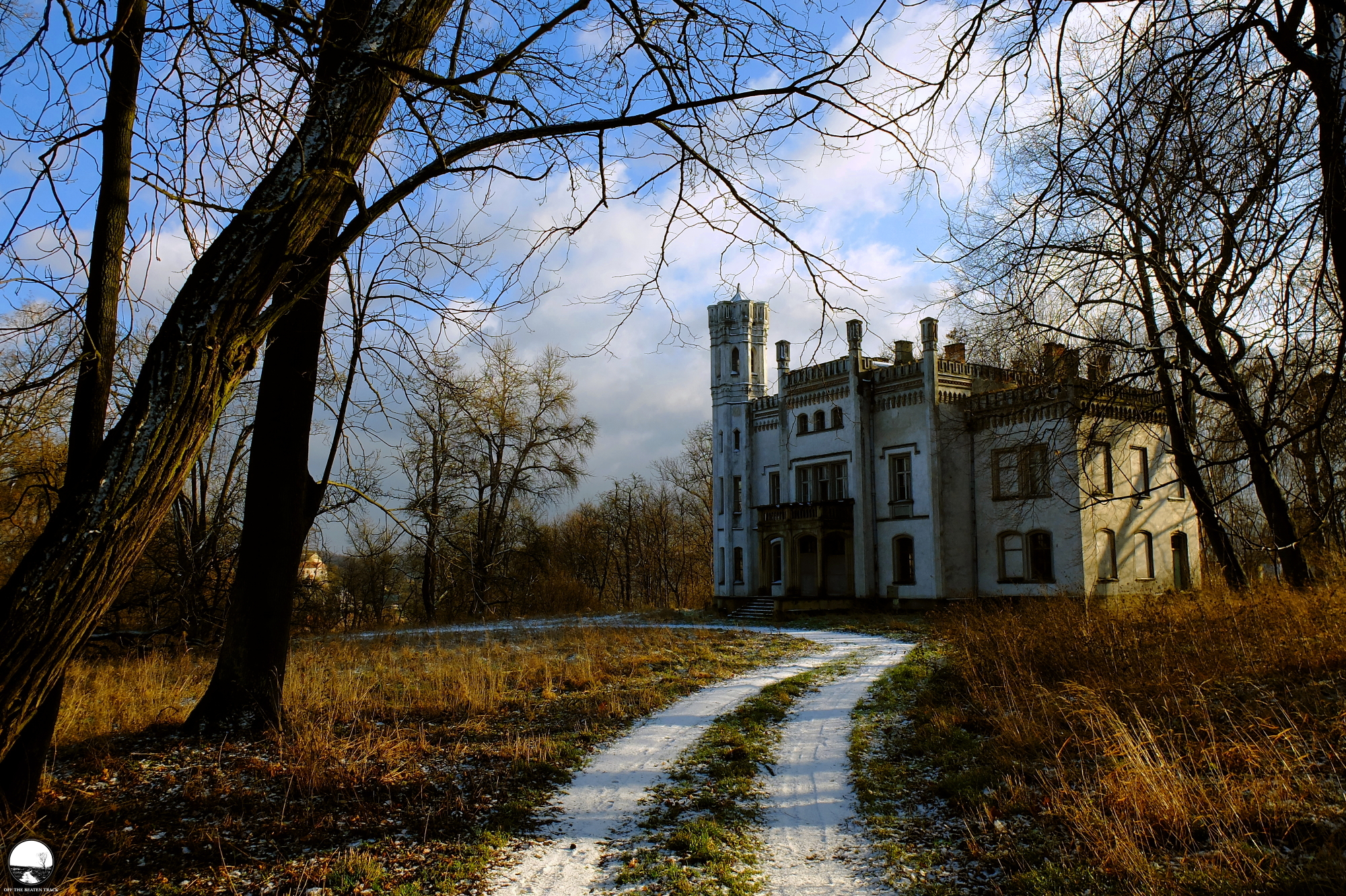
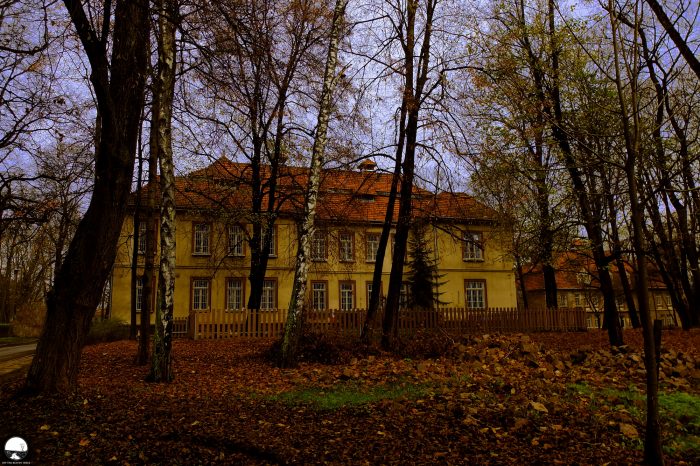
The great abandoned Potocki Palace surrounded by a huge park is definitely one of the most impressive places in Krzeszowice—a small town near Kraków where it’s situated. The palace was built in the middle of XIX century, not counting some later improvements. The Potocki family moved here in 1862 and had been owning the palace until World War II, when it became a summer residence of the General-Governor Hans Frank. After the war the palace was nationalised and turned to a special purpose school and education center, later also a care facility for children and youth. At the same time the process of the destruction of the palace started—affected by the lack of heating and moisture, the building started getting into the worse and worse conditions and now it has already been a few dozen years as it’s abandoned. Despite this fact, today the palace and the park surrounding is still an impressive place often visited by locals and is really worth to see if by some reason you are in Krzeszowice.

Continue reading “The Abandoned Potocki Palace [Krzeszowice, Poland]”

The Dr J. Babiński Neuropsychiatric Hospital [Kraków, Poland]

The Dr J. Babiński Neuropsychiatric Hospital, often called by locals ‘Kobierzyn’ because of the place where it’s situated, is the largest psychiatric hospital in Kraków. Apart from playing an important role in the provision of mental health services, the hospital is also a local heritage monument—the whole complex of the one-century old buildings surrounded by a picturesque park is listed in Kraków’s Monument Register.

Continue reading “The Dr J. Babiński Neuropsychiatric Hospital [Kraków, Poland]”

Beelitz-Heilstätten [Beelitz, Germany]

Beelitz-Heilstätten, a district of Beelitz (Germany), is home to a large hospital complex of about 60 buildings including a cogeneration plant erected from 1898 on according to plans of architect Heino Schmieden. Originally designed as a sanatorium by the Berlin workers’ health insurance corporation, the complex from the beginning of World War I on was a military hospital of the Imperial German Army. During October and November 1916, Adolf Hitler recuperated at Beelitz-Heilstätten after being wounded in the leg at the Battle of the Somme.

Continue reading “Beelitz-Heilstätten [Beelitz, Germany]”